Neurologist Search Results

Corewell Health William Beaumont University Hospital Neuroscience Center
Andrew Zillgitt is a Neurologist practicing medicine in Royal Oak, Michigan. He has been practicing medicine for over 19 years. Dr. Zillgitt is highly rated in 17 conditions, according to our data. His clinical expertise encompasses Seizures, Generalized Tonic-Clonic Seizure, Epilepsy, Memory Loss, and Deep Brain Stimulation. Dr. Zillgitt is board certified in American Osteopathic Board Of Neurology & Psychiatry. Dr. Zillgitt is currently accepting new patients.

U Of M Neurology Clinic
Jack M. Parent, M.D., is a professor of neurology, director of the Neurodevelopment and Regeneration Laboratory, and co-director of the Comprehensive Epilepsy Center in the University of Michigan Medical School.His current research interests include neural stem cell transplantation to treat brain injury and neurodegeneration, and the modification of adult neural stem cells to promote brain repair after stroke or prevent epilepsy.Dr. Parent earned a Bachelor of Arts degree, with distinction, in human biology from Stanford University and his medical degree from the Yale University School of Medicine. He completed a medical internship and neurology residency at the University of California, San Francisco (UCSF), where he was selected chief resident. He stayed at UCSF for clinical fellowship training in epilepsy and clinical neurophysiology, and postdoctoral training in neuroscience research.An internationally recognized research leader in the fields of neural stem cell biology, regeneration after brain injury and epilepsy, Dr. Parent established the Neurodevelopment and Regeneration Laboratory at the U-M in 2000.Dr. Parent is a member of the Epilepsy Foundation of America Research Council, the Medical Advisory Board of the Global Ischemia Foundation, the Independent Science Review Panel of the New Jersey Commission on Brain Injury Research, and the National Scientific Advisory Council of the American Federation for Aging Research. He also serves as an associate editor of Neuroscience Letters, and is on the editorial boards of Experimental Neurology and Epilepsy Currents.He has received several awards for his research, including a Junior Investigator Award from the American Epilepsy Society, a Paul Beeson Physician Faculty Scholars in Aging Award, a Dreifuss-Penry Epilepsy Award from the American Academy of Neurology, and a Grass Foundation Award in Neuroscience from the American Neurological Association. Dr. Parent is highly rated in 13 conditions, according to our data. His clinical expertise encompasses Myoclonic Epilepsy, Epilepsy, Epilepsy with Myoclonic-Atonic Seizures, and Dravet Syndrome. Dr. Parent is board certified in Neurology and Clinical Neurophysiology.
Michigan Institute For Neurological Disorders (MIND)
Aaron Ellenbogen is a Neurologist practicing medicine in Farmington Hills, Michigan. He has been practicing medicine for over 28 years. Dr. Ellenbogen is highly rated in 61 conditions, according to our data. His clinical expertise encompasses Movement Disorders, Parkinson's Disease, Drug Induced Dyskinesia, Essential Tremor, and Deep Brain Stimulation. Dr. Ellenbogen is board certified in American Osteopathic Board Of Neurology & Psychiatry. Dr. Ellenbogen is currently accepting new patients.

Michigan Institute For Neurological Disorders (MIND)
Daniel Singer is a Neurologist practicing medicine in Farmington Hills, Michigan. He has been practicing medicine for over 29 years. Dr. Singer is highly rated in 92 conditions, according to our data. His clinical expertise encompasses Essential Tremor, Memory Loss, Migraine, and Seizures. Dr. Singer is board certified in American Osteopathic Board Of Neurology & Psychiatry. Dr. Singer is currently accepting new patients.
Michigan Institute For Neurological Disorders (MIND)
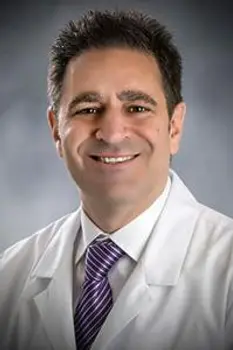
William Boudouris is a Neurologist practicing medicine in Farmington Hills, Michigan. He has been practicing medicine for over 33 years. Dr. Boudouris is highly rated in 76 conditions, according to our data. His clinical expertise encompasses Pseudotumor Cerebri Syndrome, Increased Intracranial Pressure, Multiple Sclerosis (MS), and Stroke. Dr. Boudouris is board certified in American Osteopathic Board Of Neurology & Psychiatry. Dr. Boudouris is currently accepting new patients.
Henry Ford Neurological Associates-Warren
Maysaa Basha is a Neurologist practicing medicine in Warren, Michigan. Dr. Basha is highly rated in 19 conditions, according to our data. Her clinical expertise encompasses Seizures, Epilepsy, Status Epilepticus, and Memory Loss.
Henry Ford West Bloomfield Hospital
Ximena Arcila is a Neurologist practicing medicine in West Bloomfield, Michigan. Dr. Arcila is highly rated in 17 conditions, according to our data. Her clinical expertise encompasses Amyotrophic Lateral Sclerosis (ALS or Lou Gehrig's Disease), Spinal Muscular Atrophy (SMA), Spinal and Bulbar Muscular Atrophy, Spinal Muscular Atrophy Type 3, and Gastrostomy.
Henry Ford Neurological Associates-Warren
Rohit Marawar is a Neurologist practicing medicine in Warren, Michigan. Dr. Marawar is highly rated in 10 conditions, according to our data. His clinical expertise encompasses Seizures, Epilepsy, Memory Loss, and Generalized Tonic-Clonic Seizure.
Henry Ford Neurological Associates-Warren
Deepti Zutshi is a Neurologist practicing medicine in Warren, Michigan. Dr. Zutshi is highly rated in 8 conditions, according to our data. Her clinical expertise encompasses Seizures, Epilepsy, Status Epilepticus, Memory Loss, and Thymectomy.

Michigan Institute For Neurological Disorders (MIND)
Bradley Aymen is a Neurologist practicing medicine in Farmington Hills, Michigan. Dr. Aymen is highly rated in 56 conditions, according to our data. His clinical expertise encompasses Pseudotumor Cerebri Syndrome, Increased Intracranial Pressure, Tension Headache, and Stroke. Dr. Aymen is board certified in American Osteopathic Board Of Neurology & Psychiatry. Dr. Aymen is currently accepting new patients.

East Ann Arbor Health & Geriatrics Center
Peter K. Todd, M.D., Ph.D., is an assistant professor in the Department of Neurology in the University of Michigan Medical School.Dr. Todd earned his Bachelor of Science degree in 1994 from the University of California, San Diego. He then entered the Medical Science Training Program at the University of Wisconsin at Madison, where he completed his doctorate in 2002 and medical degree in 2004. His Ph.D research focused on synaptic defects in Fragile X Syndrome, a common inherited cause of cognitive impairment in children.He completed his internship and residency at the Hospital of the University of Pennsylvania in Philadelphia. While there, he did research on the role of the ubiquitin proteasome system and autophagy in Spinal and Bulbar Muscular Atrophy, a polyglutamine disorder, and Fragile X Tremor Ataxia Syndrome (FXTAS). He came to the U-M in 2008 for a clinical and research fellowship in movement disorders and neurogenetics.Todd joined the U-M faculty in 2010 as an assistant professor in movement disorders and neurogenetics, working in the laboratory of Henry L. Paulson, M.D., Ph.D., in the Center for Neurodegenerative Research.His current research is focused on the mechanisms underlying RNA-mediated neurodegeneration in FXTAS and myotonic dystrophy, and how these mechanisms may overlap and inform our understanding of other neurodegenerative disorders. He also sees patients with movement disorders and inherited neurological disease.Dr. Todd has received several academic awards, including a Howard Hughes Undergraduate Research Fellowship, the Francis M. Forester Prize for promise as an academic neurologist, the Samuel Ziritzky Prize for most outstanding research by a neurology resident at Penn and prizes for excellence in research at the International Conference on Unstable Microsatellites in Human Disease, and the U-M neuroscience day. Most recently, Dr Todd received the S. Weir Mitchell Alliance award from the American Academy of Neurology which each year recognizes one early investigator physician scientist who has made important contributions to basic science in neurological disorders.A member of the American Medical Association and the American Academy of Neurology, he has served as an ad-hoc reviewer for the Journal of Biological Chemistry, Neurology, Proceedings of the National Academy of Sciences, Neuron, Science and Human Molecular Genetics.His bibliography includes several peer-reviewed papers, editorials, book reviews and chapters, abstracts and online. Dr. Todd is highly rated in 49 conditions, according to our data. His clinical expertise encompasses Fragile X Syndrome, Fragile XE Syndrome, Hereditary Ataxia, and Amyotrophic Lateral Sclerosis (ALS or Lou Gehrig's Disease). Dr. Todd is board certified in Neurology.

Michigan Institute For Neurological Disorders (MIND)
Amy Kodrik is a Neurologist practicing medicine in Dearborn Heights, Michigan. She has been practicing medicine for over 25 years. Dr. Kodrik is highly rated in 46 conditions, according to our data. Her clinical expertise encompasses Migraine, Memory Loss, Neuralgia, and Seizures. Dr. Kodrik is board certified in American Osteopathic Board Of Neurology & Psychiatry. Dr. Kodrik is currently accepting new patients.

Associates In Neurology PC
Bruce Silverman is a Neurologist practicing medicine in Farmington Hills, Michigan. He has been practicing medicine for over 43 years. Dr. Silverman is highly rated in 43 conditions, according to our data. His clinical expertise encompasses Thromboangiitis Obliterans, Cerebral Autosomal Dominant Arteriopathy with Subcortical Infarcts and Leukoencephalopathy, Memory Loss, and Epilepsy. Dr. Silverman is board certified in American Osteopathic Board Of Neurology & Psychiatry. Dr. Silverman is currently accepting new patients.
East Ann Arbor Health & Geriatrics Center
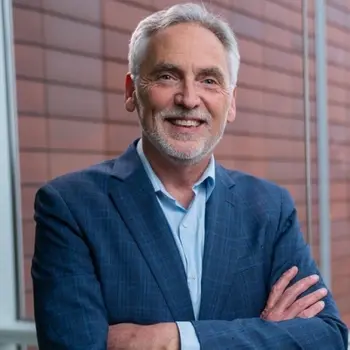
Henry L. Paulson, M.D., Ph.D., is the Lucile Groff Professor of Neurology for Alzheimer's Disease and Related Disorders in the Department of Neurology at the University of Michigan. Dr. Paulson joined the U-M faculty in 2007, and he currently directs the Michigan Alzheimer’s Disease Center (MADC) and co-direct the U-M Protein Folding Diseases Initiative.Dr. Paulson received his medical degree and doctorate in Cell Biology from Yale University in 1990. He then completed a neurology residency and neurogenetics/movement disorders fellowships at the University of Pennsylvania. In 1997, he joined the Neurology faculty at the University of Iowa, where he remained until 2007.Dr. Paulson's research and clinical interests concern the causes and treatment of age-related neurodegenerative diseases, with an emphasis on polyglutamine diseases, Alzheimer's disease and frontotemporal dementia. In 1997, his lab described abnormal protein aggregates in the polyglutamine diseases, which now are recognized as a pathological hallmark in this important class of inherited diseases. Using test tube, cell-based and animal models, he has contributed to advances in the understanding of various neurodegenerative diseases. His lab also has helped pioneer the use of gene silencing methods as potential therapy for the many neurological disorders caused by toxic mutant genes.Nationally, Dr. Paulson has directed popular courses at the American Academy of Neurology meetings, serves on the scientific advisory boards of numerous disease-related national organizations, and is past Chair of the Board of Scientific Counselors at the National Institute for Neurological Disorders and Stroke at the National Institutes of Health.Among his awards, Dr. Paulson is an Ellison Medical Foundation New Scholar in Aging, a semifinalist for the W.M. Keck Foundation Young Scholars in Medical Research, and a recipient of the Paul Beeson Physician Faculty Scholar in Aging Award from the American Federation for Aging Research. Dr. Paulson is highly rated in 41 conditions, according to our data. His clinical expertise encompasses Olivopontocerebellar Atrophy, Spinocerebellar Ataxia Type 3, Spinocerebellar Ataxia, and Drug Induced Dyskinesia. Dr. Paulson is board certified in Neurology.

Lakeside Neurology, PC
Shyam Moudgil is a Neurologist practicing medicine in Warren, Michigan. He has been practicing medicine for over 48 years. Dr. Moudgil is highly rated in 41 conditions, according to our data. His clinical expertise encompasses Landau-Kleffner Syndrome, Seizures, Memory Loss, and Autosomal Dominant Partial Epilepsy with Auditory Features. Dr. Moudgil is board certified in American Board Of Psychiatry And Neurology, American Board Of Psychiatry And Neurology, and American Board Of Psychiatry And Neurology. Dr. Moudgil is currently accepting new patients.

Corewell Health William Beaumont University Hospital Adult Neurosurgery Florence & Richard McBrien Pediatric Neuroscience Center - 3555 W 13 Mile Rd
Rawad Obeid is a Pediatric Neurologist practicing medicine in Royal Oak, Michigan. He has been practicing medicine for over 20 years. Dr. Obeid is highly rated in 38 conditions, according to our data. His clinical expertise encompasses Intraventricular Hemorrhage of the Newborn, GAPO Syndrome, Delayed Growth, and Genetic Epilepsy with Febrile Seizures Plus (GEFS+). Dr. Obeid is board certified in American Board Of Psychiatry And Neurology and American Board Of Pediatrics. Dr. Obeid is currently accepting new patients.

Michigan Institute For Neurological Disorders (MIND)
Joshua Nass is a Neurologist practicing medicine in Roseville, Michigan. He has been practicing medicine for over 8 years. Dr. Nass is highly rated in 38 conditions, according to our data. His clinical expertise encompasses Generalized Tonic-Clonic Seizure, Seizures, Memory Loss, and Opsoclonus-Myoclonus Syndrome. Dr. Nass is board certified in American Board Of Psychiatry And Neurology. Dr. Nass is currently accepting new patients.

Northville Health Center
Amro Stino, MD is an Associate Professor in the Department of Neurology in the University of Michigan Medical School, Division of Neuromuscular Medicine. Dr. Stino has expertise in the treatment of neuromuscular disorders, with special clinical and research interest in the care of patients with acquired peripheral neuropathy.A native of Ann Arbor, MI and a product of Ann Arbor schools, Dr. Stino went on to pursue a Bachelor of Science degree in Brain, Behavioral, and Cognitive Sciences from the University of Michigan, Ann Arbor, which he completed in 2006. He received his medical degree from Wayne State University, School of Medicine in Detroit, MI in 2010 and completed a transitional year internship at St. Joseph Mercy Hospital, in Ann Arbor, MI. He then completed his neurology residency training at the Wayne State University, School of Medicine – Detroit Medical Center, followed by a fellowship in clinical neurophysiology / neuromuscular medicine at The Mayo Clinic in Arizona. He joined The Ohio State University faculty in 2015 as Director of the Peripheral Neuropathy Clinic and Autonomic Lab. During his time there, he oversaw expansion of diagnostic testing and clinical operations of both, helping provide more comprehensive neuropathy care for central and southern Ohio patients seeking multi-disciplinary acquired neuropathy care. He helped obtain CIDP and CMT center of excellence accreditation. He joined the University of Michigan faculty in 2019 as Director of the Peripheral Neuropathy clinic and Co-director of the Autonomic Lab. Currently, he serves as site principal investigator on multi-center studies in the realms of metabolic and autoimmune neuropathy. He is presently conducting an investigator initiated phase 1b trial on the novel use of Lenalidomide in anti-MAG neuropathy.Dr. Stino is an advocate for patient awareness and education in autoimmune neuropathy and serves as physician liaison for the GBS-CIDP foundation, with whom he was interviewed on Good Day Columbus as part of GBS-CIDP awareness month. He also takes great interest in helping patients tackle peripheral neuropathy care in an evidence based fashion, particularly as it pertains to pain control.Dr. Stino enjoys working alongside and mentoring neuromuscular fellows, neurology residents, and medical students who rotate with him in clinic or inpatient service. He serves on the Peripheral Nerve Society Junior Board, which helps organize an annual educational course for attendees. His online videos on autoimmune neuropathy, small fiber neuropathy, and postural tachycardia syndrome have been viewed by thousands.He remains a dedicated Wolverine, despite having worked down south. Dr. Stino is highly rated in 34 conditions, according to our data. His clinical expertise encompasses Chronic Inflammatory Demyelinating Polyneuropathy, Peripheral Neuropathy, Chronic Polyradiculoneuritis, and Familial Dysautonomia. Dr. Stino is board certified in Neurology, Clinical Neurophysiology, and Electrodiagnostic Medicine.
Taubman Center
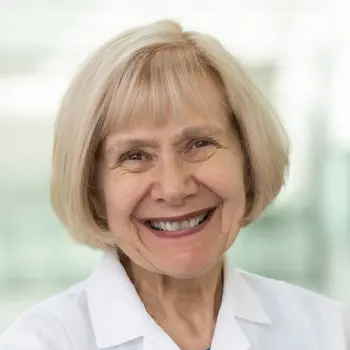
Dr. Feldman is the director of the NeuroNetwork for Emerging Therapies at Michigan Medicine and the ALS Center of Excellence at Michigan Medicine. The latter includes the Pranger ALS Clinic, one of the top multidisciplinary clinics caring for those suffering from amyotrophic lateral sclerosis (ALS). She serves as the University of Michigan James W. Albers Distinguished University Professor and the Russell N. DeJong Professor of Neurology at Michigan Medicine. Dr. Feldman is one of the world’s leading authorities on neurodegenerative disease.Dr. Feldman is a compassionate and dedicated physician who cares deeply about her patients. She has been recognized for her clinical excellence by numerous organizations and is annually named as one of the “Best Doctors in America.” Her forward-thinking, collaborative, multidisciplinary approach has transformed how neurodegenerative diseases are diagnosed, treated, and prevented.Dr. Feldman has made significant contributions to biomedical research and clinical care in many critical areas of neurodegenerative disease. She has authored over 530 peer-reviewed publications, 74 book chapters, and 5 books on the pathology, diagnosis, and treatment of neurological diseases. Dr. Feldman has been continuously funded by the NIH since 1989 and is currently the principal or co-investigator of numerous clinical trials and grants. She has received numerous awards and honors throughout her remarkable career, including the University of Michigan’s Early Distinguished Career Award, the Distinguished Faculty Achievement Award, and the Distinguished Alumnus Achievement Award. She was also the first woman in 25 years to receive the Robert S. Schwab Award from the American Clinical Neurophysiology Society. In 2022, Dr. Feldman was awarded the University of Michigan Distinguished Professorship, the highest faculty honor at University of Michigan.Dr. Feldman is actively committed to and involved in professional service. She served as President of the Peripheral Nerve Society from 2007-2009 and President of the American Neurological Association (ANA) from 2011-2013. Dr. Feldman is an elected member of the National Academy of Medicine (NAM) and Association of American Physicians, and a Fellow of the American Association for the Advancement of Science. Dr. Feldman is the Editor of the Contemporary Neurology Series and also serves on a number of editorial boards for leading scientific journals, including The Lancet Neurology, Nature Reviews Neurology, JAMA Neurology and Journal of Neurology, Neurosurgery and Psychiatry. Dr. Feldman is highly rated in 33 conditions, according to our data. Her clinical expertise encompasses Peripheral Neuropathy, Diabetic Neuropathy, Amyotrophic Lateral Sclerosis (ALS or Lou Gehrig's Disease), and Autonomic Neuropathy. Dr. Feldman is board certified in Neurology and Electrodiagnostic Medicine.

American Institute Of Neurological Disorders
Neil Gilbert is a Neurologist practicing medicine in Lathrup Village, Michigan. He has been practicing medicine for over 35 years. Dr. Gilbert is highly rated in 31 conditions, according to our data. His clinical expertise encompasses Tension Headache, Generalized Tonic-Clonic Seizure, Alzheimer's Disease, and Seizures. Dr. Gilbert is board certified in American Board Of Psychiatry And Neurology. Dr. Gilbert is currently accepting new patients.

Corewell Health Lakeland Hospitals Neurology Royalton
Robert Ward is a Neurologist practicing medicine in Saint Joseph, Michigan. He has been practicing medicine for over 40 years. Dr. Ward is highly rated in 31 conditions, according to our data. His clinical expertise encompasses Autosomal Dominant Partial Epilepsy with Auditory Features, Axillary Nerve Dysfunction, Seizures, and Memory Loss. Dr. Ward is board certified in American Osteopathic Board Of Neurology & Psychiatry and American Osteopathic Board Of Neurology & Psychiatry. Dr. Ward is currently accepting new patients.

Gandhi Neurology & Sleep Clinic
Nitin Gandhi is a Neurologist practicing medicine in Wyandotte, Michigan. He has been practicing medicine for over 10 years. Dr. Gandhi is highly rated in 31 conditions, according to our data. His clinical expertise encompasses Seizures, Generalized Tonic-Clonic Seizure, Stroke, and Epilepsy. Dr. Gandhi is board certified in American Board Of Psychiatry And Neurology and American Board Of Psychiatry And Neurology. Dr. Gandhi is currently accepting new patients.

Michigan Neurology Associates & Pain Consultants
Thomas Giancarlo is a Neurologist and a Sleep Medicine provider practicing medicine in Clinton Township, Michigan. He has been practicing medicine for over 43 years. Dr. Giancarlo is highly rated in 29 conditions, according to our data. His clinical expertise encompasses Seizures, Peripheral Neuropathy, Multiple Sclerosis (MS), Relapsing Multiple Sclerosis (RMS), and Gastrostomy. Dr. Giancarlo is board certified in American Board Of Psychiatry And Neurology, American Osteopathic Board Of Neurology & Psychiatry, and American Board Of Sleep Medicine. Dr. Giancarlo is currently accepting new patients.

Oakland Neurology Center
Esther Young is a Neurologist practicing medicine in Rochester Hills, Michigan. Dr. Young is highly rated in 29 conditions, according to our data. Her clinical expertise encompasses Generalized Tonic-Clonic Seizure, Tension Headache, Seizures, and Essential Tremor. Dr. Young is board certified in American Osteopathic Board Of Neurology & Psychiatry. Dr. Young is currently accepting new patients.

Domino's Farms
Punithavathy Vijayakumar is a Neurologist and a Sleep Medicine provider practicing medicine in Ann Arbor, Michigan. Dr. Vijayakumar is highly rated in 29 conditions, according to our data. Her clinical expertise encompasses Multiple Sclerosis (MS), Obstructive Sleep Apnea, Transient Ischemic Attack (TIA), and Migraine. Dr. Vijayakumar is board certified in Clinical Neurophysiology, Neurology, Neuromuscular Medicine, Sleep Medicine, and Vascular Neurology.